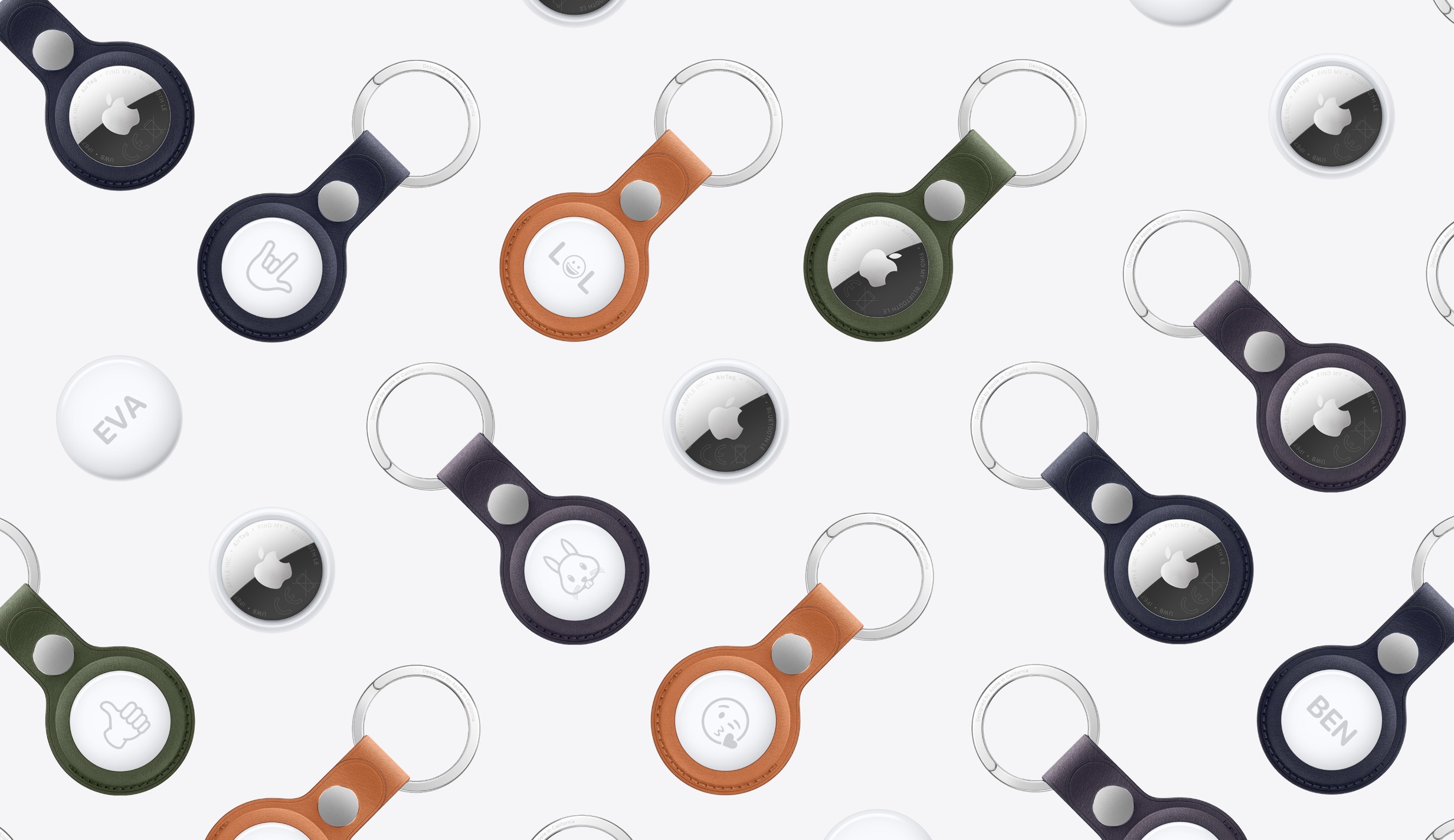
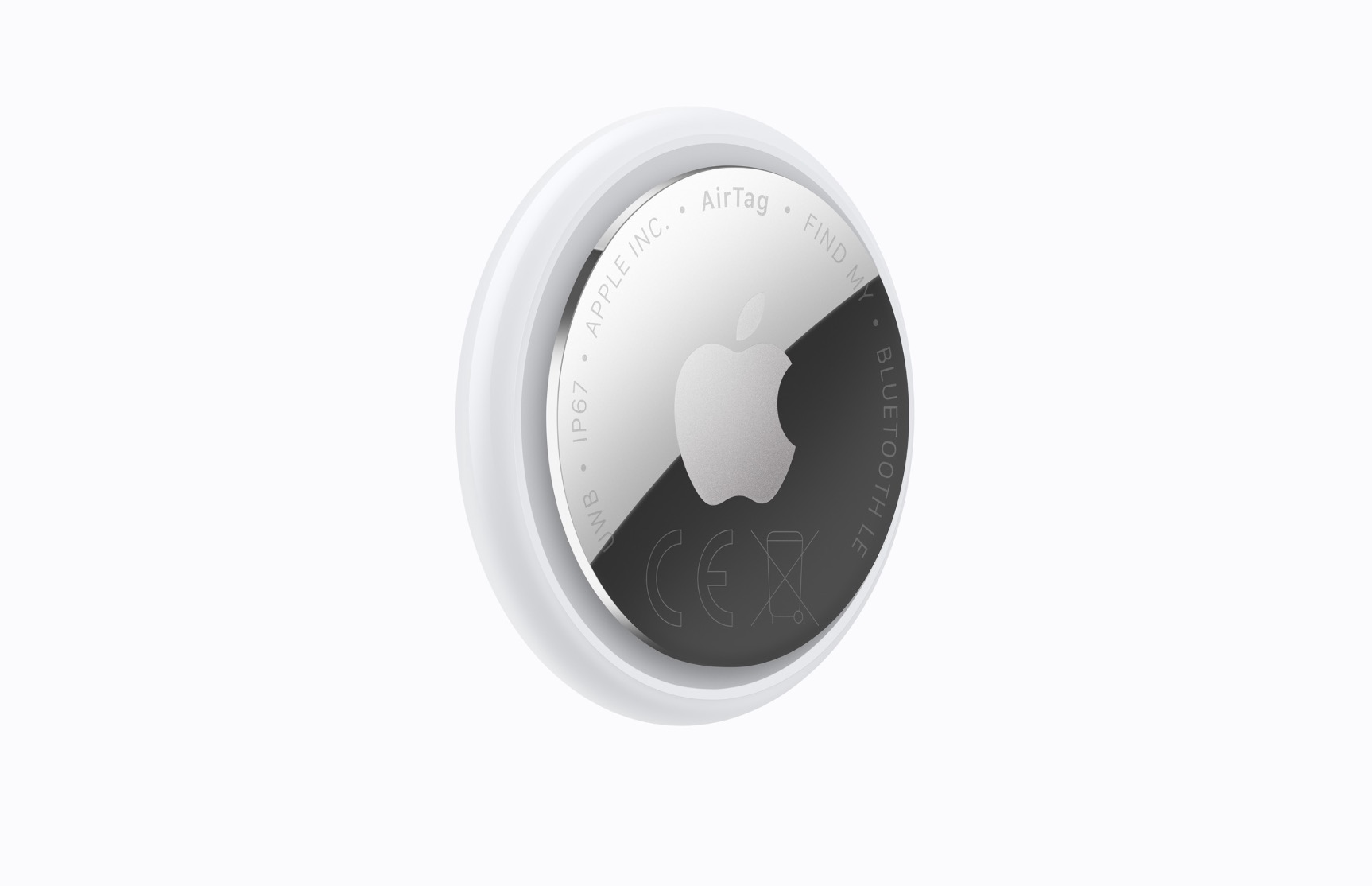
If you’ve been holding off on getting an Apple AirTag, then now might be the best time to do so—the Cupertino tech giant recently announced the launch of its second-generation AirTag, which comes with some neat new upgrades this time around, especially when it comes to keeping track of your belongings. It’s also priced the same as its predecessor, going for £29 per piece or £99 for a four-pack.
CHECK OUT: The Garmin Tactix 8 is Now Available with a More Rugged Design
That being said, Apple says that the new AirTag features an upgraded internal design and the same second-generation Ultra Wideband chip found in the iPhone 17 lineup, which allows for much better tracking performance. Users can now access Precision Finding from up to 50 percent farther away than the previous model, and the device’s built-in speaker is now 50 percent louder to make it easier to find items hidden deep in furniture or other hard-to-reach places.
The new AirTag also comes with expanded compatibility with other Apple devices, allowing users to track their items directly from an Apple Watch Series 9 or Ultra 2, for example. For travel, the device comes with support for the new Share Item Location feature in iOS which allows owners to securely share a tracking link with third parties like airlines to help recover lost luggage. Apple says that it’s already partnered with over 50 airlines to implement this technology.
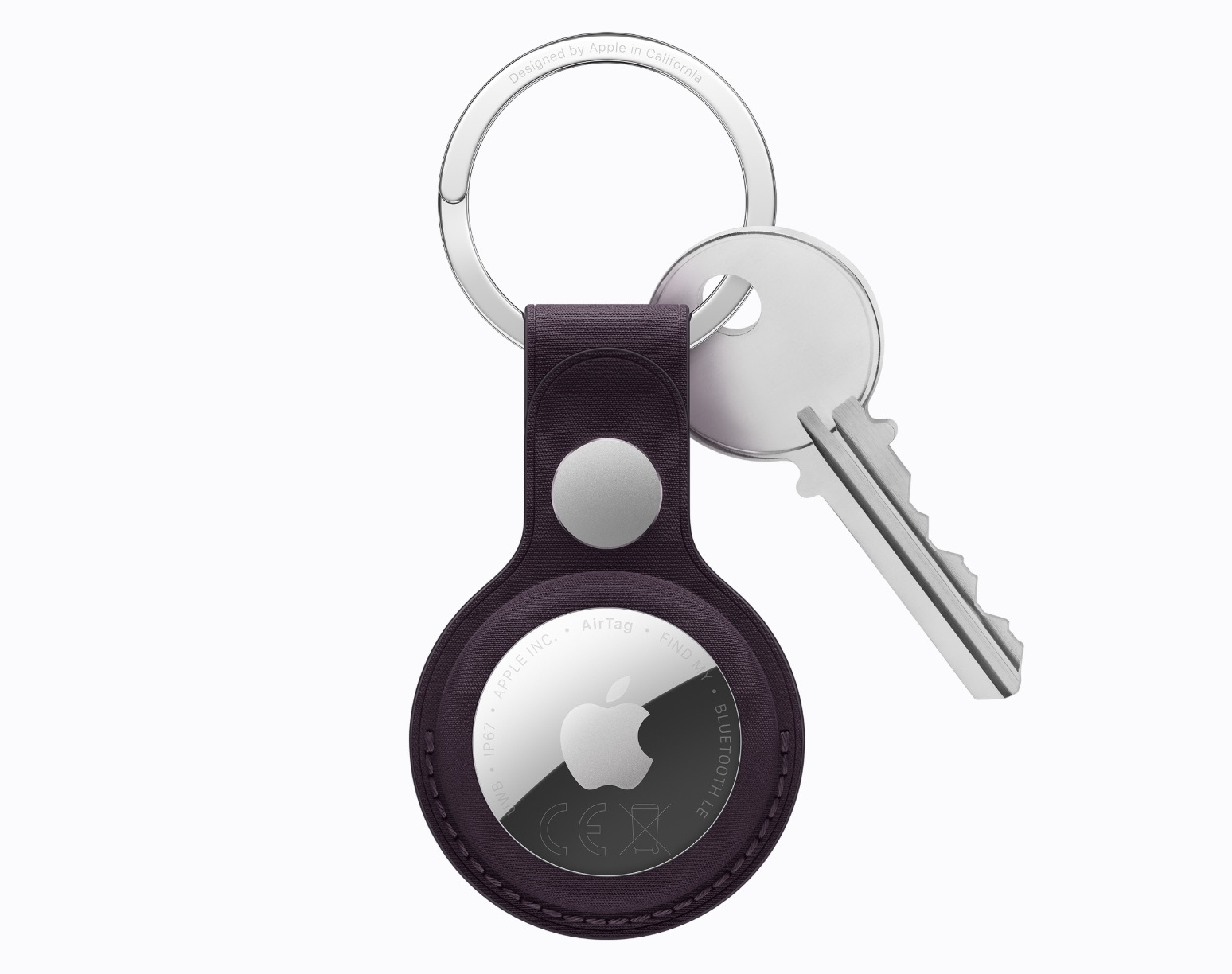
In terms of design, not much has really changed with the AirTag 2—you might even mistake it for the original AirTag model at first glance, as it retains the white circular design. unfortunately it doesn’t look like Apple will be offering it in more “exciting” colour variants, which is somewhat of a missed opportunity. Going back to its features, Apple says that privacy remains a core focus of the new tag, as the latest model does not store physical location data on the device, and even uses end-to-end encryption for all communications.
CHECK OUT: Motorola’s Latest Wearable is Official with New the Moto Watch
In other recent Apple news, it’s expected that the company might unveil its newest version of Siri soon, which will now come powered with Google’s Gemini AI on the backend. Not much else is known about this recent collaboration between Google and Apple though, although it should be interesting to see how this changes things for Apple users who mainly rely on Siri.